Serengeti National Park

Overview

Serengeti National Park is Tanzania’s oldest, most famous, and most celebrated national park. Renowned for its endless golden plains, extraordinary wildlife, and the world-famous Great Wildebeest Migration, the Serengeti is one of Africa’s premier safari destinations. Covering nearly 15,000 square kilometers, the park is home to one of the largest concentrations of mammals on Earth and offers exceptional year-round game viewing.

Recognized as a UNESCO World Heritage Site, Serengeti National Park is one of the last remaining ecosystems where the ancient patterns of wildlife migration continue largely undisturbed. Whether you’re seeking the Big Five, witnessing dramatic predator-prey interactions, or enjoying breathtaking African landscapes, the Serengeti promises an unforgettable safari experience.

History

The Serengeti ecosystem has supported wildlife for millions of years and is one of the oldest functioning ecosystems on Earth.

The area was first designated as a protected game reserve in 1921, and in 1951, it officially became Serengeti National Park, making it Tanzania’s oldest national park.

The name “Serengeti” comes from the Maasai word “Siringet,” meaning “the place where the land runs forever,” perfectly describing its vast open plains.

In 1981, Serengeti National Park was designated a UNESCO World Heritage Site due to its outstanding ecological importance and unparalleled wildlife migration.

Location

Serengeti National Park is located in northern Tanzania and forms part of the famous Northern Safari Circuit.

It borders:

  • Ngorongoro Conservation Area (Southeast)

  • Kenya’s Maasai Mara National Reserve (North)

  • Grumeti and Ikorongo Game Reserves (West)

  • Loliondo Game Controlled Area (East)

Nearby safari destinations include:

  • Ngorongoro Conservation Area

  • Tarangire National Park

  • Lake Manyara National Park

  • Lake Natron

  • Maasai Mara National Reserve (Kenya)

Landscape

Serengeti features a remarkable diversity of landscapes, including:

  • Endless short-grass plains

  • Open savannah

  • Acacia woodlands

  • Granite kopjes (rock outcrops)

  • Riverine forests

  • Rolling hills

  • Seasonal wetlands

  • Rivers and waterholes

The park is divided into several distinct regions:

Central Serengeti (Seronera)

  • Best year-round wildlife viewing

  • High predator concentration

  • Excellent luxury lodges

Northern Serengeti (Kogatende)

  • Mara River crossings

  • Great Migration (July–October)

  • Fewer crowds

Western Corridor (Grumeti)

  • Grumeti River crossings

  • Crocodile encounters

  • Riverine forests

Southern Serengeti (Ndutu Area)

  • Wildebeest calving season

  • Predator activity

  • Open grasslands

Wildlife

Serengeti is home to over 2 million large mammals and offers one of the richest wildlife experiences in Africa.

Big Five

Visitors have excellent opportunities to see:

  • African Lion

  • African Leopard

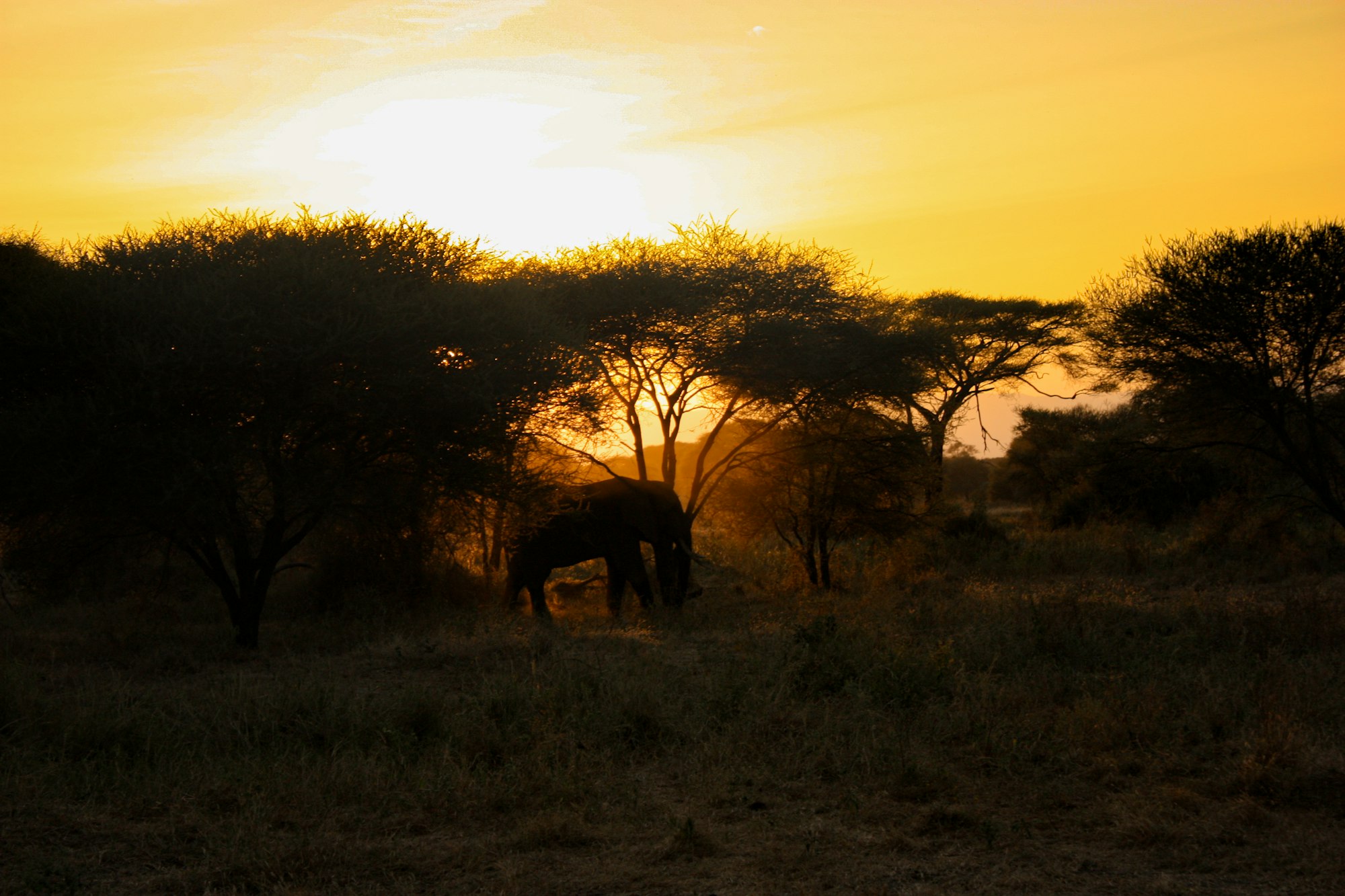
  • African Elephant

  • Cape Buffalo

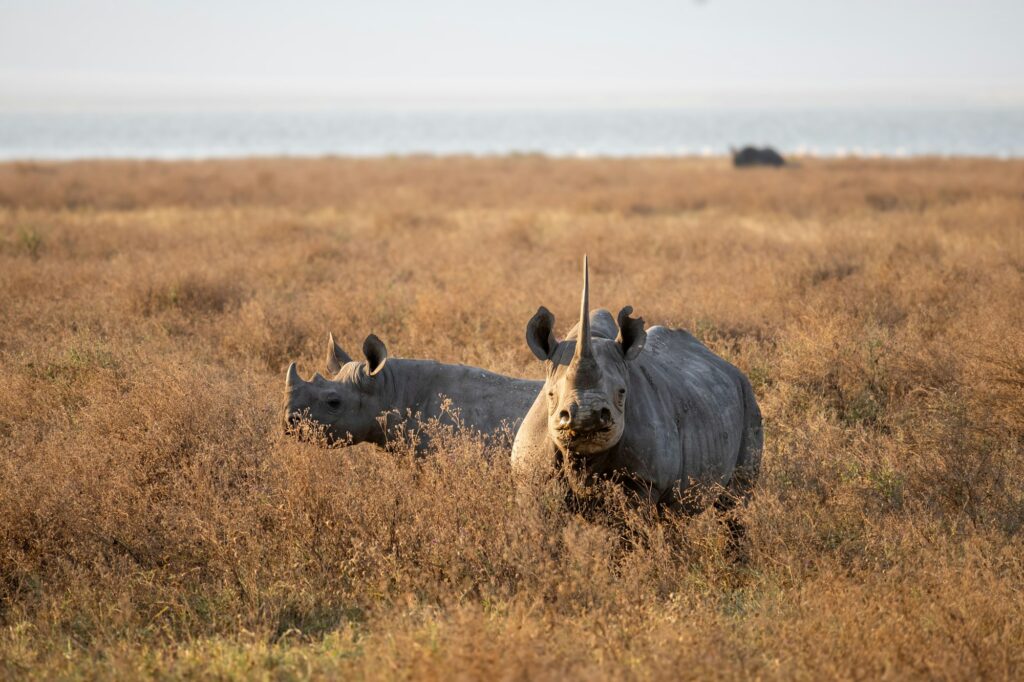
  • Black Rhinoceros (mainly in protected northern areas)

Great Migration

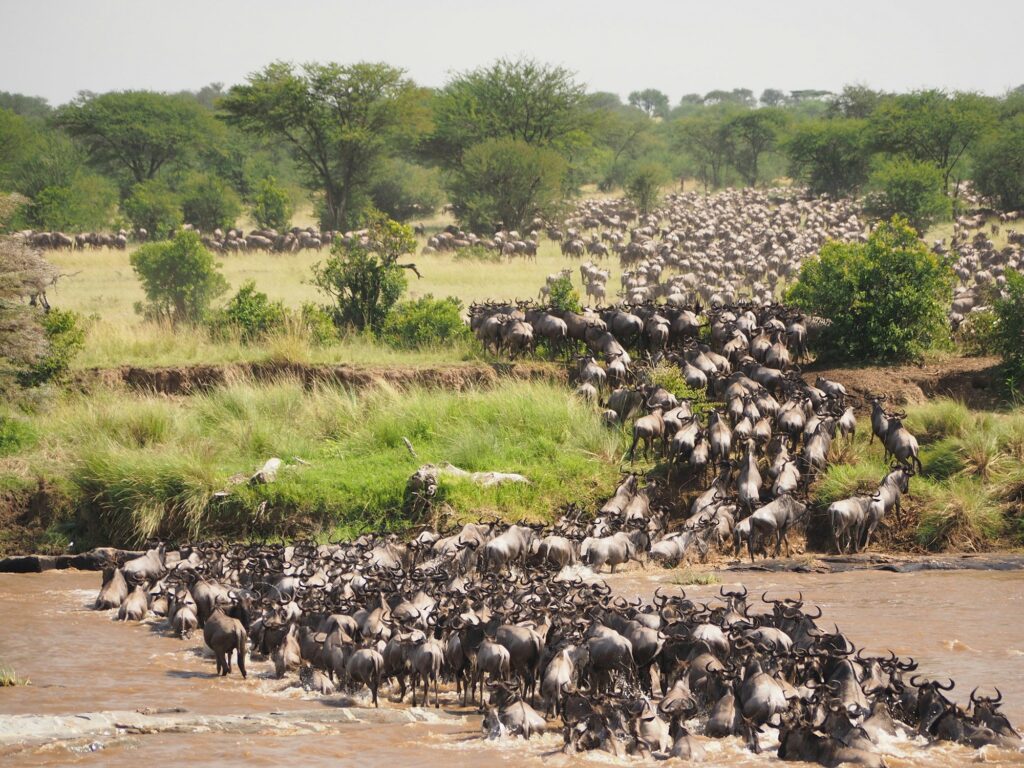
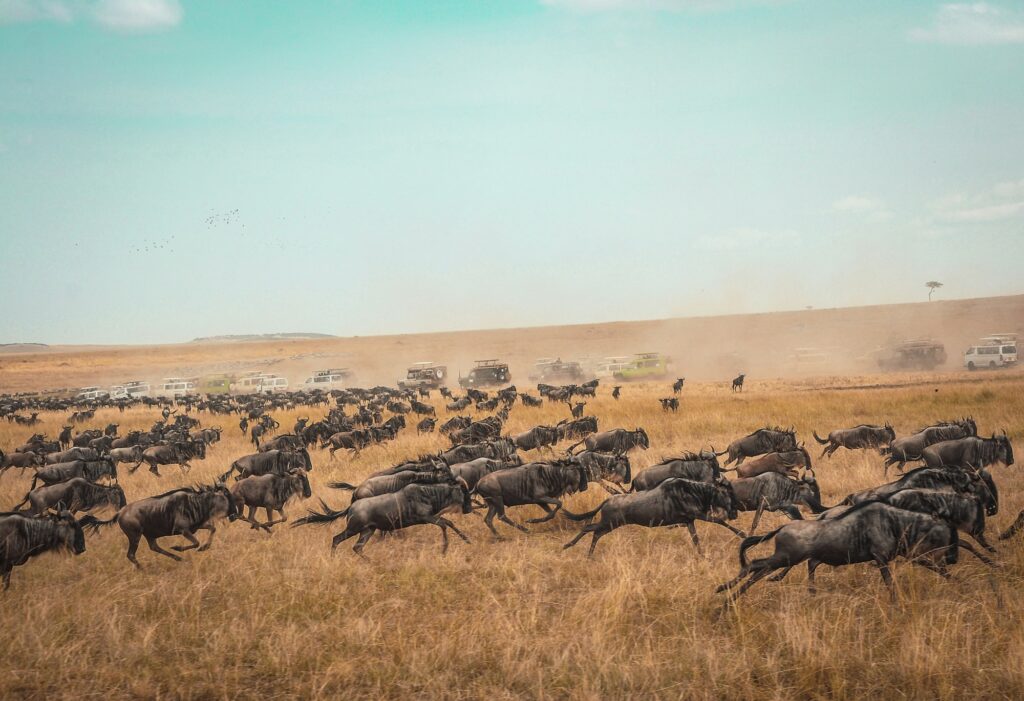
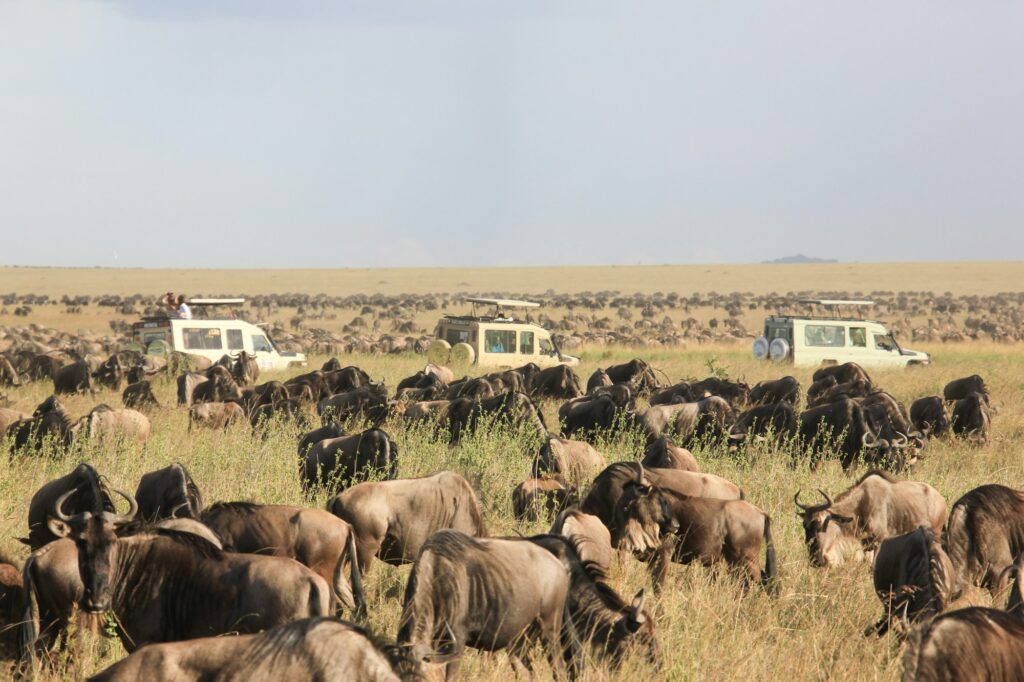
The Serengeti hosts the world’s largest terrestrial mammal migration.

Each year, approximately:

  • 1.5 million wildebeest

  • 250,000 zebras

  • 500,000 Thomson’s gazelles

move across the Serengeti ecosystem in search of fresh grazing and water.

Migration Timeline

December – March

  • Southern Serengeti (Ndutu)

  • Calving season

  • Predator action

April – June

  • Central Serengeti

  • Western Corridor

  • Long migration columns

July – October

  • Northern Serengeti

  • Mara River crossings

  • Dramatic crocodile encounters

November

  • Return migration southward

Other Mammals

Serengeti supports more than 70 large mammal species, including:

  • Cheetah

  • Spotted Hyena

  • African Wild Dog (rare)

  • Giraffe

  • Hippo

  • Warthog

  • Topi

  • Eland

  • Hartebeest

  • Impala

  • Waterbuck

  • Bushbuck

  • Dik-dik

  • Klipspringer

  • Baboon

  • Vervet Monkey

  • Bat-eared Fox

  • Jackals

  • Honey Badger

  • Caracal

  • Serval

Birdlife

More than 540 bird species have been recorded in Serengeti National Park.

Popular species include:

  • Secretary Bird

  • Kori Bustard

  • Grey Crowned Crane

  • Ostrich

  • Martial Eagle

  • African Fish Eagle

  • Bateleur Eagle

  • Lilac-breasted Roller

  • Superb Starling

  • Lovebirds

  • Vultures

  • Hornbills

The park is also an excellent destination for migratory birds between November and April.

Vegetation

The Serengeti ecosystem includes:

  • Short-grass plains

  • Tall-grass savannah

  • Acacia woodland

  • Riverine forest

  • Shrubland

  • Granite kopje vegetation

  • Wetlands

These diverse habitats support an extraordinary range of wildlife.

Climate

Serengeti enjoys a tropical savannah climate with two rainy seasons.

Dry Season (June – October)

  • Pleasant temperatures

  • Best wildlife viewing

  • Easier animal spotting

  • Cooler mornings and evenings

Green Season (November – May)

  • Lush landscapes

  • Calving season

  • Bird watching

  • Fewer tourists

  • Beautiful photography

Average temperatures range from 15°C to 28°C throughout the year.

Best Time to Visit

June – October

Perfect for:

  • General wildlife viewing

  • Mara River crossings

  • Dry weather

  • Predator sightings

January – March

Ideal for:

  • Calving season

  • Baby wildebeest

  • Predator action

  • Wildlife photography

Year-Round

Excellent for:

  • Lions

  • Leopards

  • Cheetahs

  • Elephants

  • Scenic safaris

Each season offers unique safari experiences.

Activities

Visitors can enjoy:

  • Morning game drives

  • Afternoon game drives

  • Full-day safaris

  • Great Migration safaris

  • Hot air balloon safaris

  • Bush breakfasts

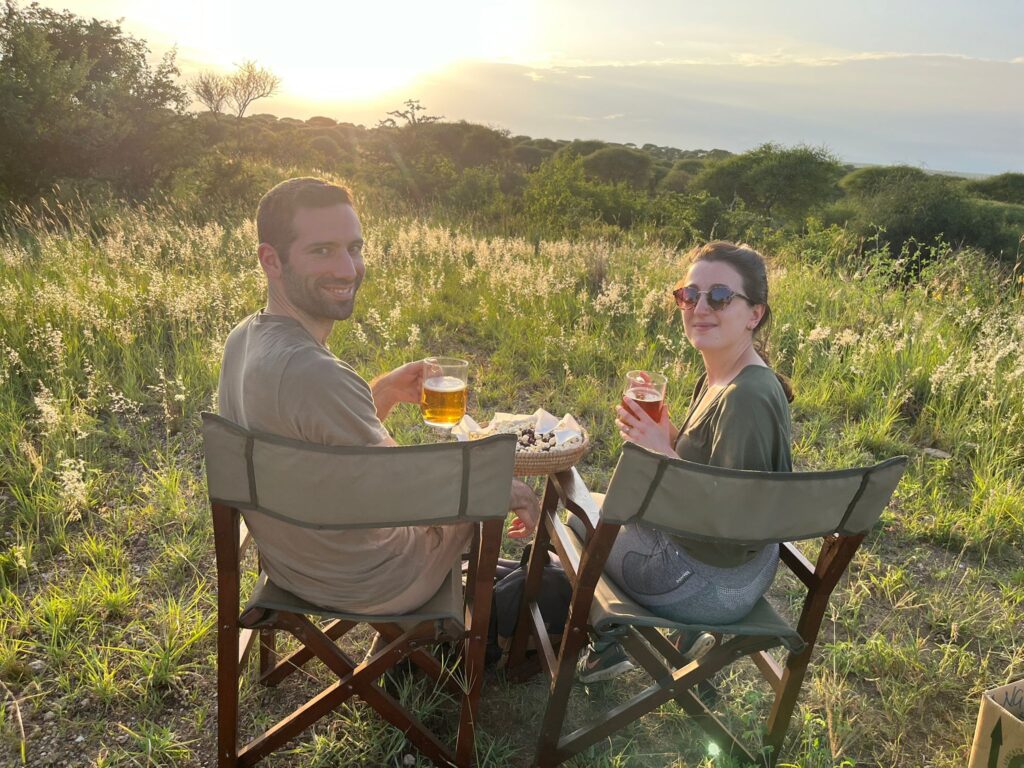
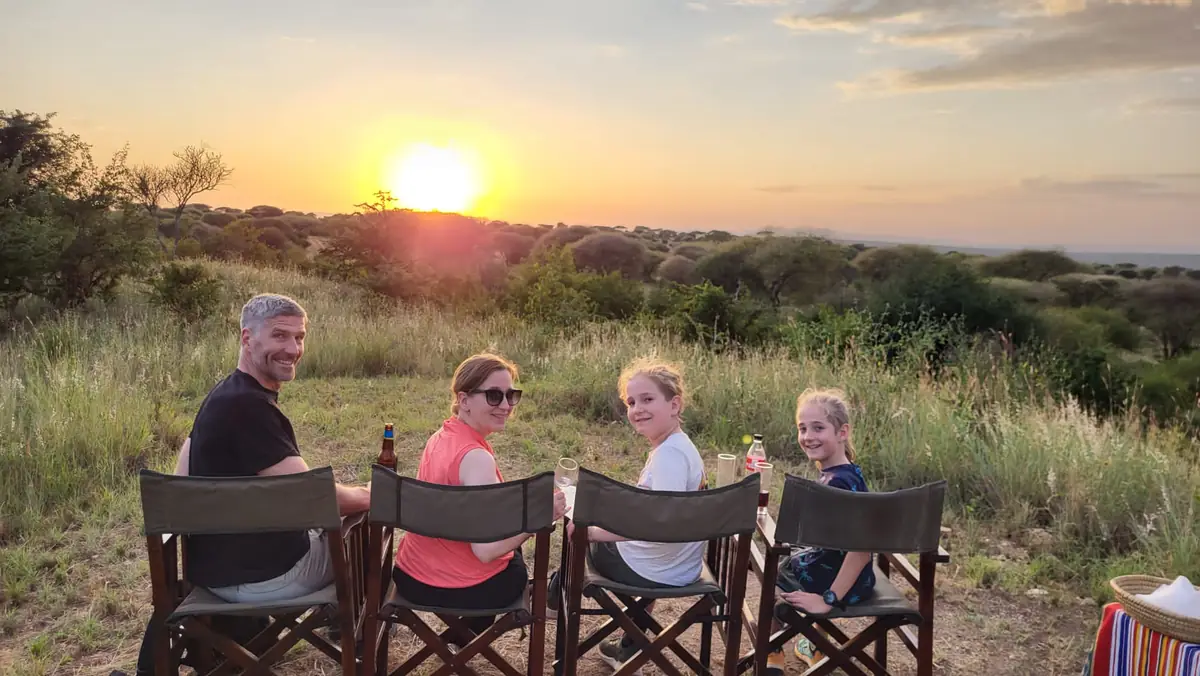
  • Sundowner experiences

  • Wildlife photography

  • Bird watching

  • Luxury fly-in safaris

  • Walking safaris (designated areas)

  • Cultural visits to Maasai communities

Accommodation

Serengeti offers accommodations for every budget.

Luxury Lodges

  • Four Seasons Safari Lodge Serengeti

  • Singita Sasakwa Lodge

  • Melia Serengeti Lodge

  • Serengeti Serena Safari Lodge

  • One Nature Nyaruswiga

  • Lemala Nanyukie Lodge

Luxury Tented Camps

  • Namiri Plains Camp

  • Dunia Camp

  • Sayari Camp

  • Ubuntu Migration Camp

  • Serengeti Bushtops

Mid-Range Lodges & Camps

  • Serengeti Kati Kati Camp

  • Thorn Tree Camp

  • Into Wild Africa Camp

  • Serengeti Heritage Camp

Budget Camps

  • Seronera Public Campsite

  • Nyani Campsite

  • Lobo Public Campsite

  • Budget mobile camping safaris

Many camps relocate seasonally to follow the Great Migration.

Accessibility

By Road

  • Arusha to Serengeti: 7–8 hours

  • Via Ngorongoro Conservation Area

By Air

Daily scheduled flights connect:

  • Kilimanjaro International Airport (JRO)

  • Arusha Airport (ARK)

to several Serengeti airstrips, including:

  • Seronera

  • Kogatende

  • Grumeti

  • Ndutu (seasonal)

  • Lobo

Fly-in safaris are ideal for travelers with limited time.

Conservation

Serengeti National Park is managed by the Tanzania National Parks Authority (TANAPA).

The park plays a vital role in protecting:

  • The Great Migration

  • Endangered black rhinos

  • Large predator populations

  • Native ecosystems

  • Biodiversity research

Strict conservation measures help preserve this globally important ecosystem.


Park Rules

Visitors should:

  • Stay inside vehicles except in designated areas.

  • Never feed wildlife.

  • Observe speed limits.

  • Avoid loud noises.

  • Do not litter.

  • Keep a safe distance from animals.

  • Follow guide and park regulations at all times.

Why Visit Serengeti National Park?

Serengeti National Park is widely regarded as one of the greatest wildlife destinations on Earth. Its endless plains, remarkable biodiversity, abundant predators, and the awe-inspiring Great Wildebeest Migration create safari experiences found nowhere else. Whether witnessing a dramatic river crossing, watching lions stalk prey, floating above the savannah in a hot air balloon, or simply enjoying a spectacular African sunset, every visit to the Serengeti is unforgettable. It is an essential destination for nature lovers, photographers, honeymooners, families, and anyone seeking the ultimate African safari adventure.

Tanzania Safari FAQs

1. What is the best time to visit Tanzania for a safari?

The best time for a Tanzania safari is during the dry season (June to October), offering excellent wildlife safari Tanzania experiences. The green season (November to May) is perfect for birding and fewer crowds in Serengeti National Park and Ngorongoro Crater. 

Yes, most travelers need a visa to enter Tanzania. You can apply online for a Tanzania tourist visa or obtain one on arrival. 

Yes, Tanzania travel safety is generally high, especially when booking with a trusted operator. Safari destinations like Tarangire National Park and Lake Manyara National Park are secure. 

A Big Five safari Tanzania includes lions, elephants, buffalo, leopards, and rhinos. You’ll also see giraffes, zebras, and more in Serengeti National Park. 

The Great Wildebeest Migration is a top Tanzania safari highlight, where millions of animals move across the Serengeti ecosystem. 

A Tanzania safari itinerary typically ranges from 3 to 7 days, covering top parks like Serengeti National Park, Ngorongoro Crater, and Tarangire National Park. 

Choose from Tanzania safari lodges, budget camping, mid-range tented camps, or luxury lodges located inside parks like Serengeti National Park. 

For the best safari packing list Tanzania, bring neutral clothing, sunscreen, comfortable shoes, a hat, and a camera. 

Yes, Tanzania travel vaccinations are recommended. A Yellow Fever certificate may be required when entering Tanzania. 

The local currency is Tanzanian Shilling (TZS), but USD is widely accepted for Tanzania safari packages. 

Yes! Many travelers combine a Tanzania safari and Zanzibar holiday by visiting Zanzibar. 

Yes, safari tipping guidelines Tanzania recommend tipping guides, drivers, and lodge staff for good service. 

Swahili and English are widely spoken, making Tanzania safari tours easy for international visitors. 

Game drives are done in 4×4 vehicles with expert guides offering the best guided safari Tanzania experience in parks like Ngorongoro Crater. 

Yes! Combine your safari with a Mount Kilimanjaro trek at Mount Kilimanjaro.