The Ngorongoro Conservation Area runs from Serengeti National Park in the north to the Great Rift Valley in the east. The conservation area is more than 8,000 km2 in size (3,200 sq. miles). It is made up of the Ngorongoro Crater, Ndutu, Olduvai Gorge, Empakaai, Olmoti Crater, and Oldonyo Lengai Mountain
Conservation Area of Ngorongoro
Overview
The Ngorongoro Crater is one of Africa’s most spectacular wildlife destinations and a UNESCO World Heritage Site located in northern Tanzania. Often referred to as the “Eighth Wonder of the World,” the crater is the world’s largest intact and unfilled volcanic caldera, offering visitors one of the highest concentrations of wildlife in Africa. The fertile crater floor provides a natural sanctuary where thousands of animals live year-round, making it one of the best places to witness the Big Five during a single game drive.
Unlike traditional national parks, the Ngorongoro Conservation Area allows wildlife and the indigenous Maasai people to coexist, creating a unique blend of conservation, culture, and tourism.
Quick Facts
| Information | Details |
|---|---|
| Destination Name | Ngorongoro Conservation Area (Home to Ngorongoro Crater) |
| Country | Tanzania |
| Region | Arusha Region |
| Established | 1959 |
| UNESCO World Heritage Site | Since 1979 |
| Total Conservation Area | Approximately 8,292 km² (3,202 sq mi) |
| Ngorongoro Crater Size | Approximately 260 km² (100 sq mi) |
| Crater Diameter | About 19 km (12 miles) |
| Crater Depth | Around 610 meters (2,000 feet) |
| Elevation | 1,800–2,400 meters above sea level |
| Driving Distance from Arusha | Approximately 190 km (3.5–4 hours) |
| Nearest Airport | Arusha Airport (ARK) / Kilimanjaro International Airport (JRO) |
| Best For | Big Five Safaris, Photography, Bird Watching, Cultural Experiences |
History
The Ngorongoro Crater was formed approximately 2 to 3 million years ago after a massive volcano, believed to have been as high as Mount Kilimanjaro, erupted and collapsed inward, creating the world’s largest intact volcanic caldera.
In 1959, the area was officially designated as the Ngorongoro Conservation Area after being separated from the Serengeti National Park. The objective was to conserve wildlife while allowing the Maasai pastoralists to continue their traditional way of life.
Today, the Ngorongoro Conservation Area is recognized as one of the most successful examples of multiple land use, balancing wildlife conservation, tourism, and human settlement.
Location
Ngorongoro Conservation Area is situated in northern Tanzania within the famous Northern Safari Circuit.
Nearby attractions include:
- Serengeti National Park
- Lake Manyara National Park
- Tarangire National Park
- Olduvai Gorge
- Lake Eyasi
- Empakaai Crater
- Olmoti Crater
Its strategic location makes it an essential stop on nearly every northern Tanzania safari itinerary.
Landscape
The Ngorongoro Conservation Area offers remarkable geographical diversity, including:
- Volcanic highlands
- Rainforests
- Grasslands
- Acacia woodlands
- Freshwater springs
- Soda lakes
- Swamps
- Open savannah
- Crater floor
Inside the crater, visitors experience a complete ecosystem contained within steep crater walls.
Wildlife
Ngorongoro boasts one of Africa’s highest wildlife densities, with over 25,000 large mammals living inside the crater.
Big Five
Visitors have excellent chances of spotting:
- Lions
- Leopards
- African Elephants
- Cape Buffalo
- Black Rhinoceros
The crater is one of the few places in Tanzania where endangered black rhinos are regularly seen.
Other Mammals
Common wildlife includes:
- Wildebeest
- Plains Zebra
- Thomson’s Gazelle
- Grant’s Gazelle
- Eland
- Hartebeest
- Waterbuck
- Bushbuck
- Warthog
- Hippopotamus
- Spotted Hyena
- Black-backed Jackal
- Serval
- Cheetah (occasionally)
- Golden Jackal
Birdlife
More than 500 bird species have been recorded in the conservation area.
Popular species include:
- Greater Flamingo
- Lesser Flamingo
- Kori Bustard
- Secretary Bird
- Grey Crowned Crane
- Ostrich
- Martial Eagle
- Augur Buzzard
- Crowned Eagle
- African Fish Eagle
- Sacred Ibis
Lake Magadi, located on the crater floor, attracts thousands of flamingos during certain seasons.
Vegetation
The conservation area consists of several vegetation zones including:
- Montane Forest
- Acacia Woodland
- Open Grassland
- Highland Heath
- Swamps
- Wetlands
- Alkaline Lake Vegetation
This ecological diversity supports a remarkable variety of wildlife.
Climate
Ngorongoro enjoys a pleasant highland climate throughout the year.
Dry Season (June – October)
- Sunny days
- Cool mornings
- Excellent wildlife viewing
- Minimal rainfall
Green Season (November – May)
- Lush scenery
- Fewer tourists
- Calving season
- Excellent photography
- Great bird watching
Average temperatures range between 10°C and 25°C, depending on elevation.
Best Time to Visit
June – October
Perfect for:
- Big Five safaris
- Wildlife photography
- Dry weather
- Comfortable game drives
January – March
Ideal for:
- Wildebeest calving season in nearby Ndutu
- Predator action
- Bird watching
- Green landscapes
Ngorongoro is considered a year-round safari destination because wildlife remains inside the crater throughout the year.
Activities
Visitors can enjoy:
- Full-day crater game drives
- Half-day game drives
- Bird watching
- Wildlife photography
- Cultural visits to Maasai villages
- Olduvai Gorge Museum tours
- Empakaai Crater hiking
- Olmoti Crater walks
- Nature walks (designated areas)
- Scenic viewpoints
- Picnic lunches inside the crater
Accommodation
Ngorongoro offers accommodations ranging from luxury lodges to affordable camps.
Luxury Lodges
- Ngorongoro Crater Lodge
- The Highlands
- Neptune Ngorongoro Luxury Lodge
- Melia Ngorongoro Lodge
- Lion’s Paw Camp
Mid-Range Lodges
- Rhino Lodge
- Ang’ata Ngorongoro Camp
- Country Lodge Karatu
- Farm of Dreams Lodge
Budget Options
- Simba Public Campsite
- Special Campsites
- Karatu Guesthouses
- Budget Safari Camps
Most luxury lodges are located on the crater rim, providing breathtaking sunrise and sunset views.
Cultural Attractions
Ngorongoro is home to the Maasai people, who continue to live traditionally within the conservation area.
Visitors can experience:
- Maasai village tours
- Traditional dances
- Cultural ceremonies
- Local handicrafts
- Traditional livestock management
- Indigenous lifestyle
Nearby Olduvai Gorge is one of the world’s most significant archaeological sites, where some of the earliest human fossils were discovered.
Accessibility
By Road
- Arusha to Ngorongoro: 3.5–4 hours
- Moshi to Ngorongoro: 5–6 hours
By Air
Scheduled and charter flights operate to nearby airstrips, including:
- Lake Manyara Airstrip
- Ndutu Airstrip
- Seronera Airstrip (combined safari itineraries)
Park Rules
Visitors should:
- Stay inside safari vehicles except in designated areas.
- Never feed wildlife.
- Maintain a safe distance from animals.
- Follow ranger instructions.
- Avoid littering.
- Respect Maasai communities and local customs.
- Keep noise to a minimum during game drives.
Why Visit Ngorongoro Crater?
Ngorongoro offers one of Africa’s most rewarding safari experiences in a compact area. Its extraordinary wildlife density, dramatic volcanic landscape, rich Maasai culture, and year-round game viewing make it a must-visit destination for first-time safari travelers, photographers, honeymooners, families, and wildlife enthusiasts alike. Whether you’re seeking the Big Five, breathtaking scenery, or a deeper understanding of Tanzania’s natural and cultural heritage, Ngorongoro delivers an unforgettable adventure.
Most Popular Tanzania Safaris
Tanzania Safari FAQs
1. What is the best time to visit Tanzania for a safari?
The best time for a Tanzania safari is during the dry season (June to October), offering excellent wildlife safari Tanzania experiences. The green season (November to May) is perfect for birding and fewer crowds in Serengeti National Park and Ngorongoro Crater.
2. Do I need a visa to visit Tanzania?
Yes, most travelers need a visa to enter Tanzania. You can apply online for a Tanzania tourist visa or obtain one on arrival.
3. Is Tanzania safe for tourists?
Yes, Tanzania travel safety is generally high, especially when booking with a trusted operator. Safari destinations like Tarangire National Park and Lake Manyara National Park are secure.
4. What animals can I see on a Tanzania safari?
A Big Five safari Tanzania includes lions, elephants, buffalo, leopards, and rhinos. You’ll also see giraffes, zebras, and more in Serengeti National Park.
5. What is the Great Migration?
The Great Wildebeest Migration is a top Tanzania safari highlight, where millions of animals move across the Serengeti ecosystem.
6. How many days are enough for a Tanzania safari?
A Tanzania safari itinerary typically ranges from 3 to 7 days, covering top parks like Serengeti National Park, Ngorongoro Crater, and Tarangire National Park.
7. What type of accommodation is available?
Choose from Tanzania safari lodges, budget camping, mid-range tented camps, or luxury lodges located inside parks like Serengeti National Park.
8. What should I pack for a Tanzania safari?
For the best safari packing list Tanzania, bring neutral clothing, sunscreen, comfortable shoes, a hat, and a camera.
9. Do I need vaccinations for Tanzania?
Yes, Tanzania travel vaccinations are recommended. A Yellow Fever certificate may be required when entering Tanzania.
10. What currency is used in Tanzania?
The local currency is Tanzanian Shilling (TZS), but USD is widely accepted for Tanzania safari packages.
11. Can I combine safari with a beach holiday?
Yes! Many travelers combine a Tanzania safari and Zanzibar holiday by visiting Zanzibar.
12. Is tipping expected on safari?
Yes, safari tipping guidelines Tanzania recommend tipping guides, drivers, and lodge staff for good service.
13. What language is spoken in Tanzania?
Swahili and English are widely spoken, making Tanzania safari tours easy for international visitors.
14. How do safari game drives work?
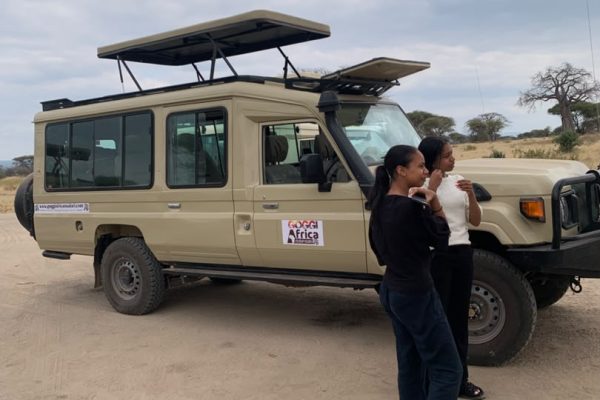
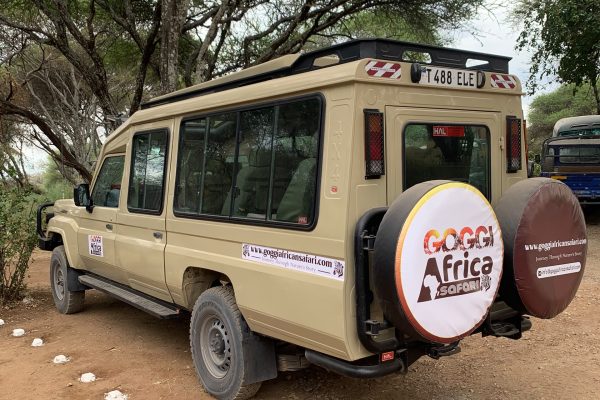
Game drives are done in 4×4 vehicles with expert guides offering the best guided safari Tanzania experience in parks like Ngorongoro Crater.
15. Can I climb Mount Kilimanjaro after a safari?
Yes! Combine your safari with a Mount Kilimanjaro trek at Mount Kilimanjaro.