Lake Eyasi
Lake Eyasi is a shallow endorheic salt lake in the Great Rift Valley that only gets salty when it rains. It is south of the Ngorongoro highlands in northern Tanzania.
Lake Eyasi
Lake Eyasi is a shallow endorheic salt lake in the Great Rift Valley that only gets salty when it rains. It is south of the Ngorongoro highlands in northern Tanzania. You will have a lot of time to enjoy this quiet place and take in its natural surroundings. This big lake is up high from the sea. Lake Eyasi has tall palm trees on its shores, which is different from the savannah and dry plains of northern national parks.
Animals near the Lake
Lake Eyasi doesn’t have as many big-game animals as the nearby parks and reserves, so you won’t see any of the “big five” here. Many different kinds of birds live around the lake, which makes it a great place to watch birds. From June to November, many different kinds of waterbirds nest in the shallow water. The big groups of flamingos and great white pelicans are the main thing that people come to see. Lake Eyasi is home to many different kinds of birds, including the Africa spoonbill, Fischer’s lovebird, gray-headed gulls, pied avocet, spurfowl, stork, barbet, weaver, and many more.
The many hippos at Lake Eyasi are also a great thing to see. They can go to the lake to get out of the hot sun during the day. When the lake is full, they are known to come and cool off in its salty water. Several other kinds of animals like to hang out at the springs in the area.
Hadzabe Bushmen living at Lake Eyasi
The area around the lake is home to the Hadzabe bushmen. They are one of the few tribes that still lives the same way they did hundreds of years ago. It’s worth going to see the bushmen! They get all of their food from the bush and bow hunting. The Hazabe Bushmen are one of the last groups of hunter-gatherers still living in Africa. They get everything they need from the land. Just like they did in the Stone Age and for thousands of years before that.
Most Popular Tanzania Safaris
Tanzania Safari FAQs
1. What is the best time to visit Tanzania for a safari?
The best time for a Tanzania safari is during the dry season (June to October), offering excellent wildlife safari Tanzania experiences. The green season (November to May) is perfect for birding and fewer crowds in Serengeti National Park and Ngorongoro Crater.
2. Do I need a visa to visit Tanzania?
Yes, most travelers need a visa to enter Tanzania. You can apply online for a Tanzania tourist visa or obtain one on arrival.
3. Is Tanzania safe for tourists?
Yes, Tanzania travel safety is generally high, especially when booking with a trusted operator. Safari destinations like Tarangire National Park and Lake Manyara National Park are secure.
4. What animals can I see on a Tanzania safari?
A Big Five safari Tanzania includes lions, elephants, buffalo, leopards, and rhinos. You’ll also see giraffes, zebras, and more in Serengeti National Park.
5. What is the Great Migration?
The Great Wildebeest Migration is a top Tanzania safari highlight, where millions of animals move across the Serengeti ecosystem.
6. How many days are enough for a Tanzania safari?
A Tanzania safari itinerary typically ranges from 3 to 7 days, covering top parks like Serengeti National Park, Ngorongoro Crater, and Tarangire National Park.
7. What type of accommodation is available?
Choose from Tanzania safari lodges, budget camping, mid-range tented camps, or luxury lodges located inside parks like Serengeti National Park.
8. What should I pack for a Tanzania safari?
For the best safari packing list Tanzania, bring neutral clothing, sunscreen, comfortable shoes, a hat, and a camera.
9. Do I need vaccinations for Tanzania?
Yes, Tanzania travel vaccinations are recommended. A Yellow Fever certificate may be required when entering Tanzania.
10. What currency is used in Tanzania?
The local currency is Tanzanian Shilling (TZS), but USD is widely accepted for Tanzania safari packages.
11. Can I combine safari with a beach holiday?
Yes! Many travelers combine a Tanzania safari and Zanzibar holiday by visiting Zanzibar.
12. Is tipping expected on safari?
Yes, safari tipping guidelines Tanzania recommend tipping guides, drivers, and lodge staff for good service.
13. What language is spoken in Tanzania?
Swahili and English are widely spoken, making Tanzania safari tours easy for international visitors.
14. How do safari game drives work?
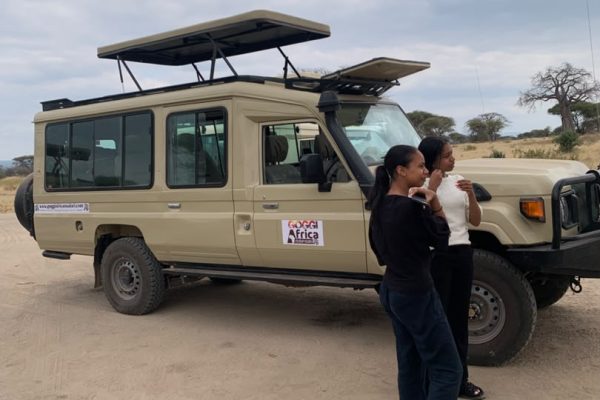
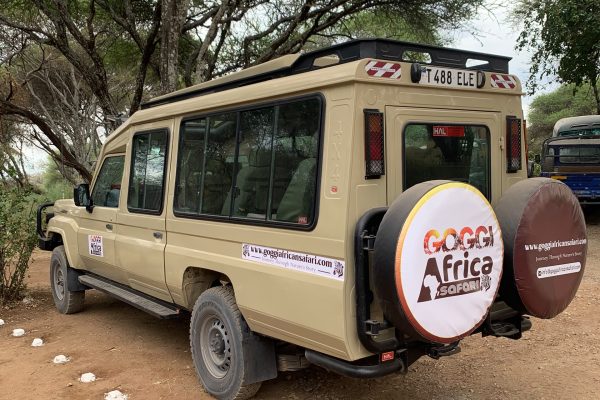
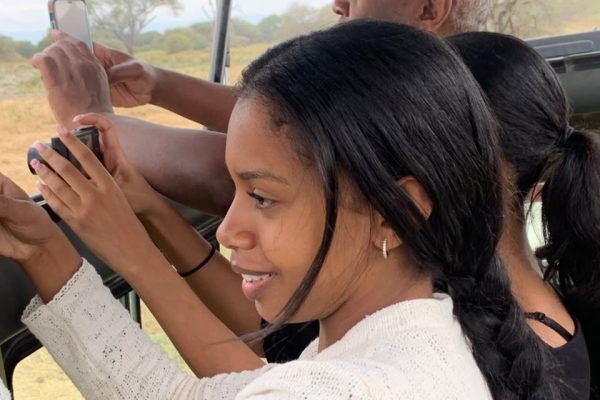
Game drives are done in 4×4 vehicles with expert guides offering the best guided safari Tanzania experience in parks like Ngorongoro Crater.
15. Can I climb Mount Kilimanjaro after a safari?
Yes! Combine your safari with a Mount Kilimanjaro trek at Mount Kilimanjaro.